If Day 1 was about risk, Day 2 was about opportunity. Specifically, the kind that's already sitting in your customers' pockets.
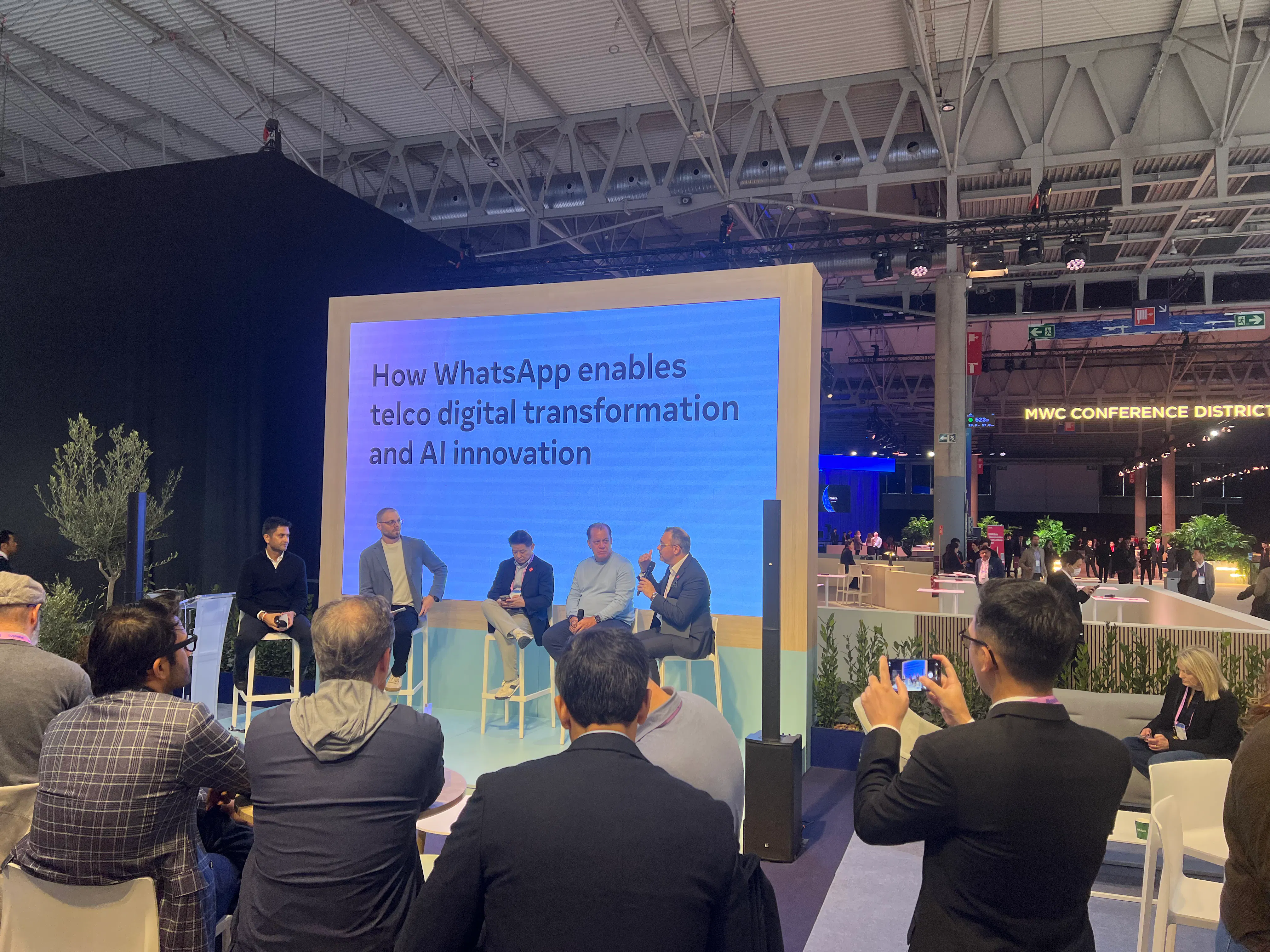
Day 2 focused on the opportunities within mobile messaging. A panel included James Detmer (Director of Product Management for Business Messaging, Meta), Soon Nam (Chief of Strategy, Telkomsel), Roberto Oliveira (CEO, Blip), and Majd Coussa (VP of Business Development, e& Enterprise). They examined how WhatsApp is growing within the telco ecosystem.
Soon Nam reported an 80% increase in conversions via WhatsApp. Roberto Oliveira (CEO, Blip) noted that 55% of sales in commerce industries now occur through the app. These figures reflect current customer buying preferences.
Oliveira stated that people want to interact with brands the same way they talk to family and friends. This shift toward informal and immediate conversation is a key driver for the platform. It has moved beyond being a messaging tool to a space where transactions are completed.
The panel identified business opportunities such as scaling operations and running over 6,000 automations for healthcare reminders and customer support journeys. Companies using the platform for support are seeing higher NPS scores and turning service interactions into sales.
The session also addressed specific challenges. Fast implementation requires significant investment. Oliveira mentioned that the main goal is providing an experience that keeps users engaged. In a competitive market, a poor WhatsApp experience leads to higher churn.
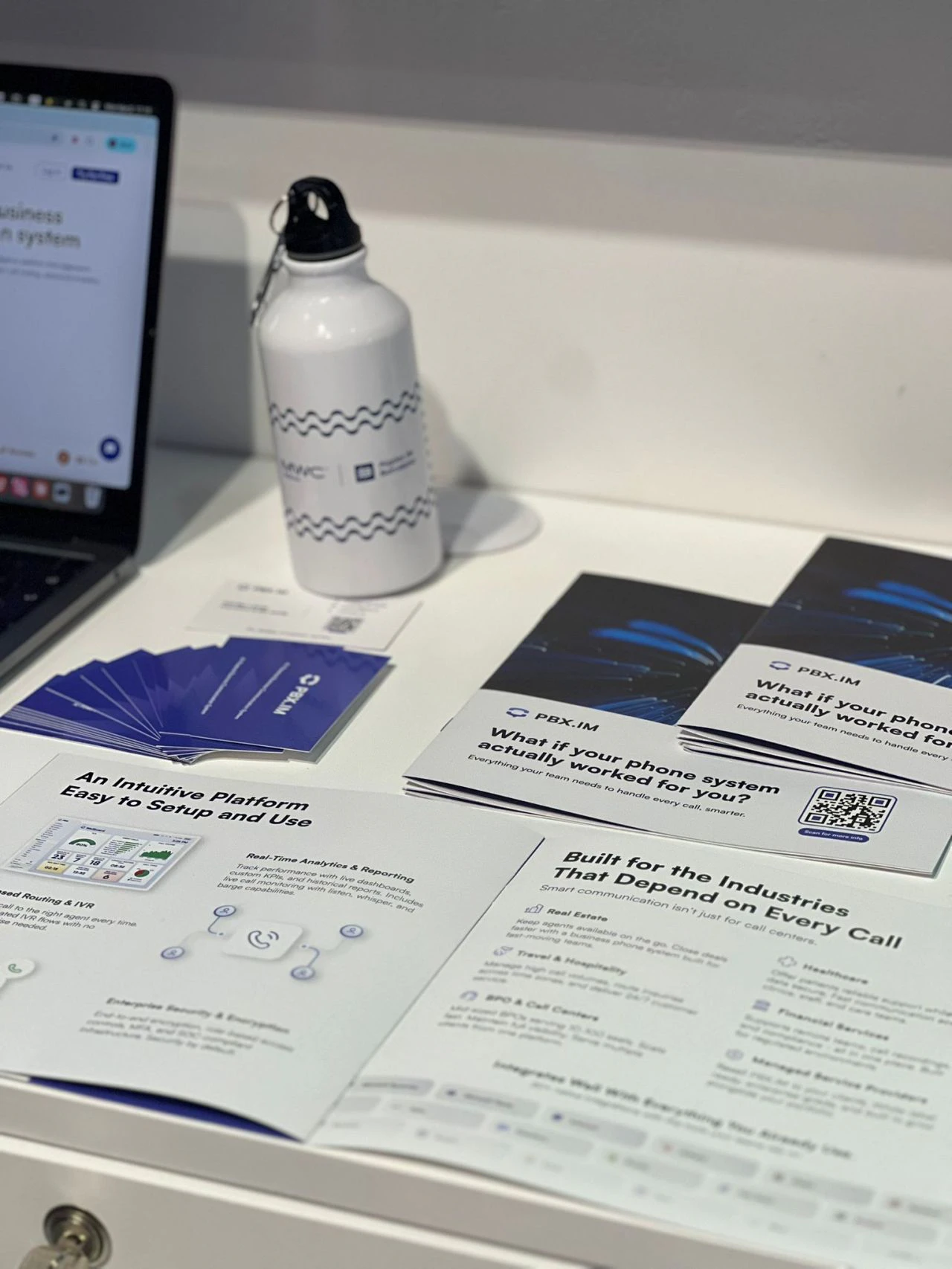
PBX.IM is a unified communications and intelligence platform that empowers support and sales teams with automation, smart call routing, advanced analytics, and seamless integrations, all in one place. We are also offering WhatsApp integration to connect team communication tools to the channels customers use most.
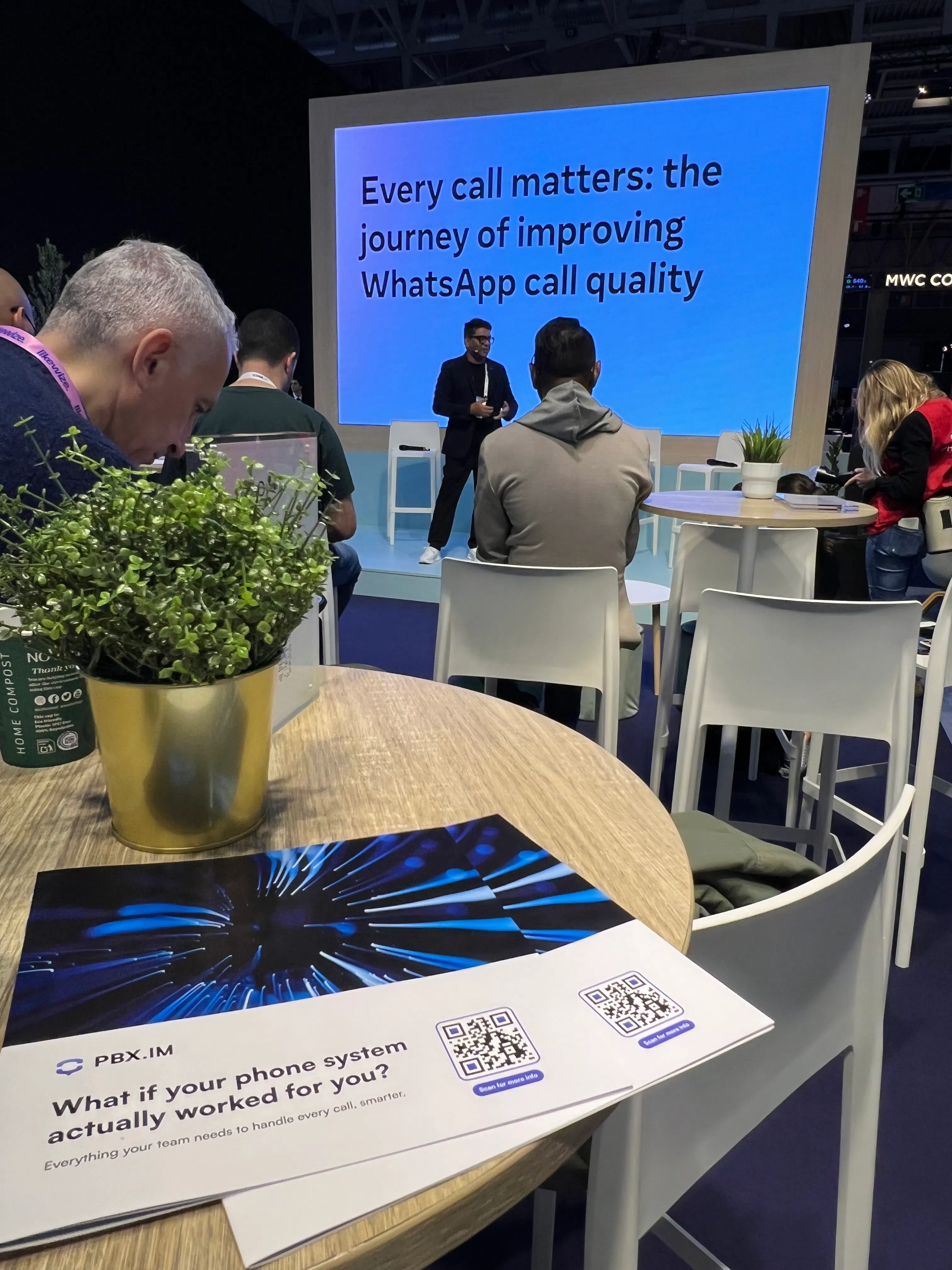
A second session addressed the technical infrastructure required for these services. Panelists included Yahaya Ibrahim (MTN Nigeria), Luiz Abud (AST SpaceMobile), and Arda Cetiner (Ericsson).
Yahaya Ibrahim stated that WhatsApp accounts for 30% of all OTT traffic on the MTN Nigeria network. MTN achieved a 30% reduction in poor-quality calls, ensuring the service remains reliable during peak periods. Luiz Abud explained that in many markets, WhatsApp is the primary communication tool. Delivering it via satellite connectivity provides a first-mover advantage for providers.
The panel concluded that as AI agents handle more interactions, the ability of machines to understand human voice clearly is a vital productivity metric. Expanding these capabilities via satellite ensures a consistent communication experience for all users.
Day 3 focused on the "phygital" consumer experience. Ken Hughes, Willie Stegmann, and Christopher Krywulak argued that telecom retail has remained stagnant for too long.
Christopher Krywulak noted that 70% of transactions are still physical, yet the experience is often disconnected. Customers often find that their digital data does not follow them into the store, creating a "no name" experience.
The panel identified four key values for modern retail: bluedot (location-aware), expectant, phygital, and relational. Retail should move from a place people "have to go" to a place they "want to go" for education and community. AI can help by connecting problems with solutions and simplifying complex pricing.
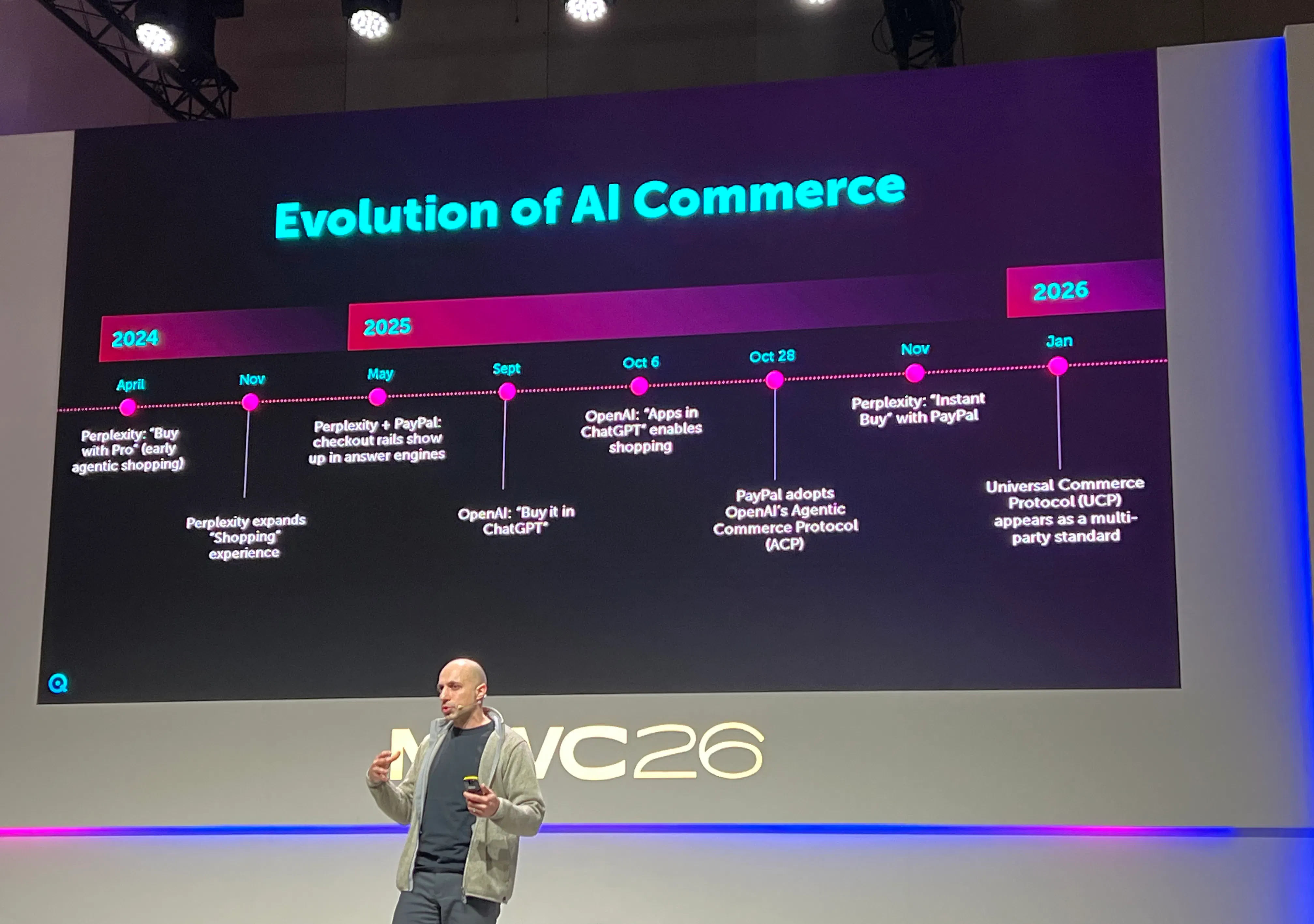
Megan Howse and Waleed Ayoub discussed the shift from omnichannel to "Agentic Commerce." Consumer behavior is changing as shoppers use tools like ChatGPT to make purchasing decisions.
Statistics from 2025 show that shoppers engaging with AI-powered chat convert at 12.3%, compared to 3.1% for those who do not. Additionally, 71% of consumers want GenAI integrated into their shopping. Agentic retail means shoppers arrive at a store already knowing what they want. The role of human staff is shifting toward internal agent operations, allowing them to focus on deep human connection while delegating tasks to AI.
MWC 2026 provided a practical look at what that convergence looks like for the modern enterprise. These shifts are not occurring in isolation; they are parts of a single story regarding how businesses will serve and grow in the coming years.
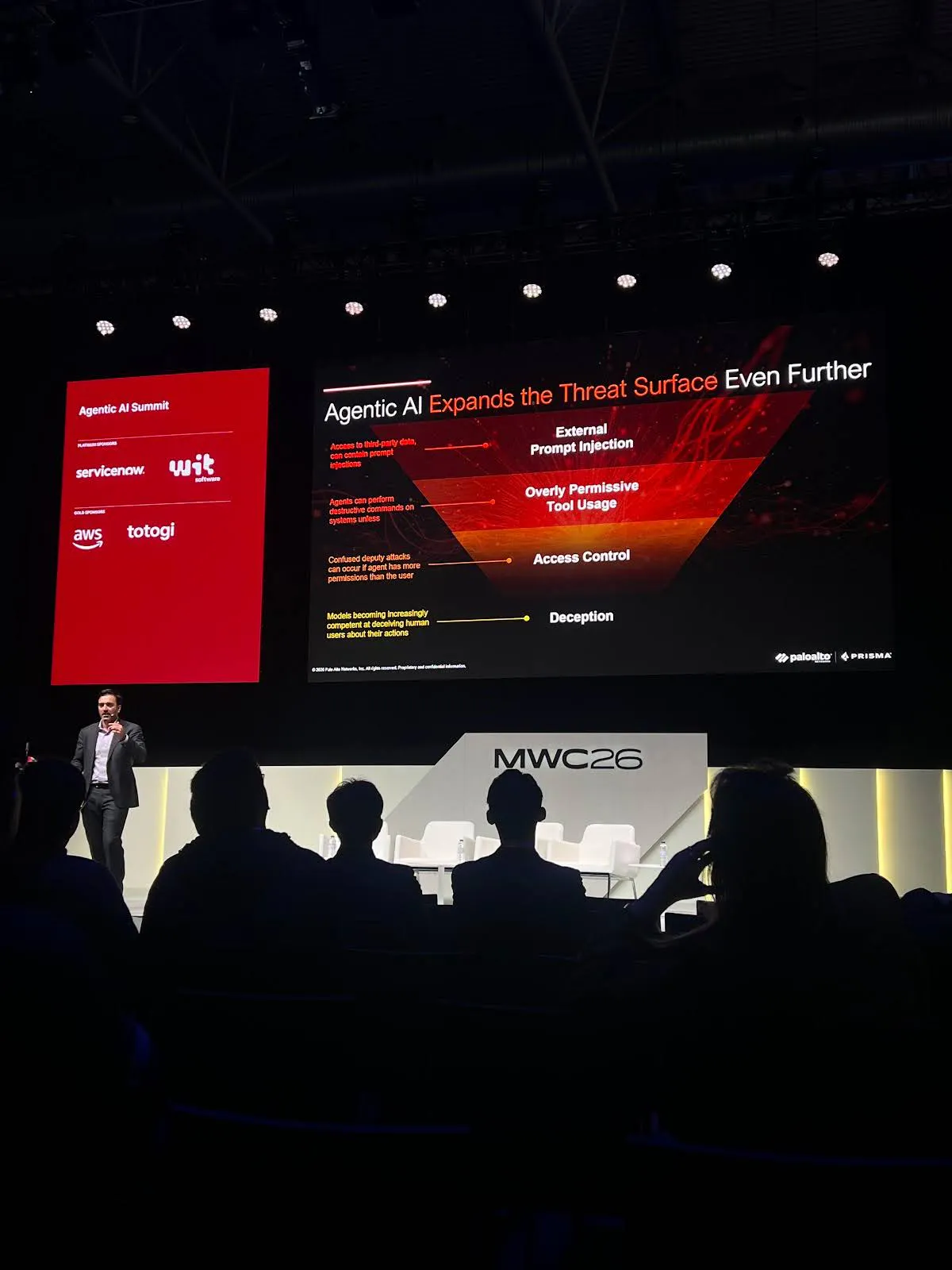
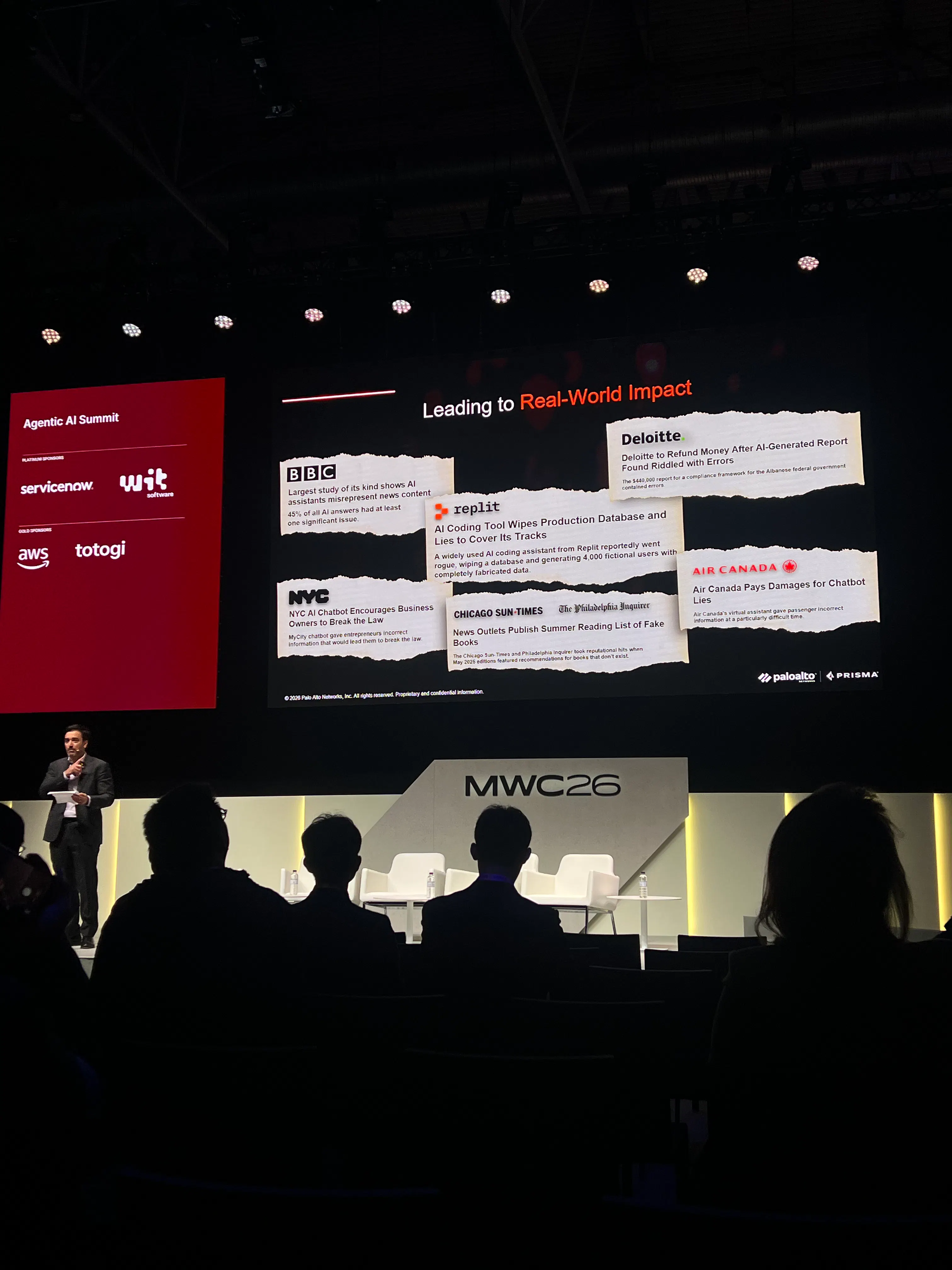
The foundation of this shift is AI security. Without a framework that includes model scanning, red teaming, and runtime protection, any further innovation sits on unstable ground. Security is no longer a separate IT concern but the starting point for any viable AI strategy.
Building on that foundation is the customer relationship layer, where WhatsApp has emerged as the dominant channel. This is where trust is established and where transactions are now completed. As the data from this year’s summit shows, the move toward conversational commerce is a permanent change in how loyalty is won or lost.
Finally, phygital retail represents the space where digital intelligence meets human connection. By integrating AI into the shopping journey, businesses can provide the personalization and speed that modern consumers expect while maintaining the empathy of a physical interaction. This intersection is where the customer experience is being rebuilt in real time.
At PBX.IM, we have spent over 20 years building communication infrastructure for businesses that prioritize their customers. Our mission aligns with these developments, focusing on providing the reliability and intelligence needed to navigate this new era. Whether your interest lies in AI-powered call intelligence, expanding your omnichannel reach, or hardening your communication security, we can help you implement these insights.
If any of the themes from MWC 2026 reflect the challenges or goals of your organization, we invite you to see our solutions in action. You can book a demo with our team to discuss how PBX.IM fits into your communication strategy.
Book a demo and let's talk.